
Stomach Pain and When to Get Help
From minor discomfort to sudden, severe pain, understanding your symptoms is the first step toward feeling better.


Written by: Corey Alexander
Published on: March 4, 2026
Stomach pain is something we’ve all experienced at one time or another. Maybe you overindulged at a local seafood spot here in Northeast Florida, or something you ate just didn’t sit right.
But how do you know when that discomfort is more than just a passing issue?
At UF Health Emergency & Urgent Care Centers, we’re here to help you figure out when it’s time to take your stomach pain seriously.
Stomach Pain and Common Causes
Abdominal pain and other digestive symptoms are some of the most common reasons people visit emergency rooms across the country, and Jacksonville is no exception. While many cases resolve on their own, stomach pain can sometimes signal something more serious.
The tricky part is that what we often call “stomach pain” doesn’t always come from the stomach itself. Your abdomen is home to several important organs, including the liver, gallbladder, pancreas and intestines. Pain in this area can come from any of these organs, making it challenging to pinpoint the exact cause.
In Northeast Florida, some of the most common causes of mild stomach pain include acid reflux, indigestion, gas or even stress. Stomach bugs and food poisoning are also frequent culprits, especially after a big family barbecue or a night out at one of the city’s many restaurants.
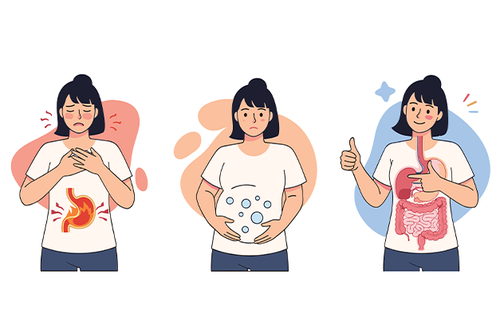
While these issues are often mild and are resolved on their own, they can sometimes escalate into more serious conditions. Appendicitis, gallstones or bowel obstructions, for example, may require immediate medical attention or even surgery.
Diagnosis and Treatment
If your stomach pain is accompanied by a fever, persistent vomiting or blood in your stool, it’s a good idea to get checked out. Pain that’s intense, doesn’t go away or keeps coming back is also worth a visit, especially if it’s interfering with your daily life.
If you have underlying health conditions, such as diabetes, are pregnant or have a weakened immune system, it’s better to be cautious and seek care sooner rather than later.
To help figure out what’s going on, health care providers often divide the abdomen into four sections and ask where the pain is located — upper or lower, right or left. Being as specific as possible about your symptoms can help your provider narrow down the cause and decide if further tests are needed.
For mild stomach pain, there are a few things you can try at home to feel better. Resting your stomach by avoiding food for a little while or sticking to bland, easy-to-digest options like crackers or bananas can help. Staying hydrated is also key, especially if you’ve been dealing with vomiting or diarrhea.
Some people find relief with home remedies. Ginger for indigestion or peppermint to relax the muscles in the digestive tract are some common ones. Over-the-counter medications, such as antacids or pain relievers, can also provide temporary relief. However, if your symptoms persist or worsen, it’s time to seek medical care.
When to Seek Care at UF Health Emergency & Urgent Care Centers
If your stomach pain is intense and comes with other symptoms like chest pain, trouble breathing, dizziness or cold sweats, don’t wait — call 911 or get to the emergency room right away. This is especially critical if the pain started after an injury to your abdomen or if it’s spreading to other areas like your back, shoulders or jaw.
At UF Health Emergency & Urgent Care Centers, we’re here to help diagnose your stomach pain. Whether it’s a mild ache that has you worried or something more serious, our emergency medicine-trained team is ready 24/7 to make you feel better so you can get back to enjoying life.