
A Parent's Guide to Stop the Spread of Pink Eye This School Year
Pink eye spreads fast in classrooms — here's what causes it, how long it's contagious, and when it's time for expert care at UF Health.
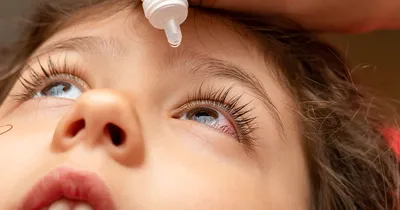

Written by: Corey Alexander
Published on: August 25, 2026
Kids are finally back in school across northeast Florida, and so are a lot of shared germs.
While many kids come down with the cold, COVID and the flu this time of year, there's one illness that tends to sneak up on parents: pink eye.
And it moves fast once it lands in a classroom, and once one kid brings it home, it can work its way through the whole family.
That's why we're sharing what parents need to know about how it spreads, how to treat it and how to keep it from taking over your household.
What Is Pink Eye?
Pink eye, also known as conjunctivitis, occurs when the thin layer covering the white part of the eye and the inside of the eyelid becomes swollen or inflamed.
Symptoms can look a little different depending on the cause, but they can turn the eye pink or red, and it often comes with itching, tearing or a crusty discharge. Some may also experience a sensitivity to light.
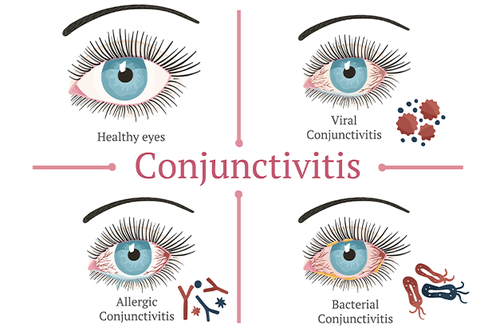
Pink eye usually falls into one of three types:
- Viral – Make up about 80% of cases, tends to occur in both eyes and is often linked to the same viruses that cause colds or respiratory tract infections
- Bacterial – An infection of the eye that’s more common in younger children and can bring thicker, yellow or green discharge
- Allergic - Triggered by pollen, pet dander or other allergens
Viral and bacterial pink eye are contagious. Allergic conjunctivitis is not.
If your child wakes up with eyelashes stuck together or an eye that looks swollen and painful, it's time to get them checked out.
How Pink Eye Spreads
Kids are close contact machines. They share supplies, sit shoulder to shoulder and touch their faces constantly, all of which allows pink eye to spread easily.
Pink eye is contagious for as long as symptoms last, and sometimes even a day or two before symptoms show up. That's why one case in a classroom can turn into several within a week.
If someone your child knows has pink eye or if it’s a loved one, here are a few simple habits that can go a long way toward keeping it from spreading throughout the household:
Florida's Department of Health recommends keeping a child with pink eye home until they have started appropriate treatment and are no longer contagious, but it's worth checking your school's specific policy.
When To Seek Care and Treatment
Pink eye is common, but it is not always simple to sort out on your own.
Viral pink eye usually runs its course in a week or two. Bacterial pink eye often improves within a few days of starting antibiotic drops.
If your child has pink eye, they should use a clean, cool washcloth to gently wipe away discharge and skip contact lenses until symptoms fully clear. You could use artificial tears to help relieve some of the inflammation and dryness as well.
For allergic pink eye, over-the-counter allergy medications and some eye (topical antihistamine and vasoconstrictors), can also provide relief.
If your child has eye pain, vision changes, swelling around the eye or symptoms that are not improving, turn to the emergency medicine trained physicians and staff at UF Health Emergency & Urgent Care Centers for a diagnosis and treatment if needed.